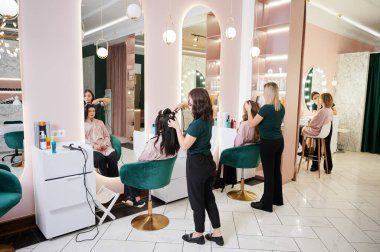
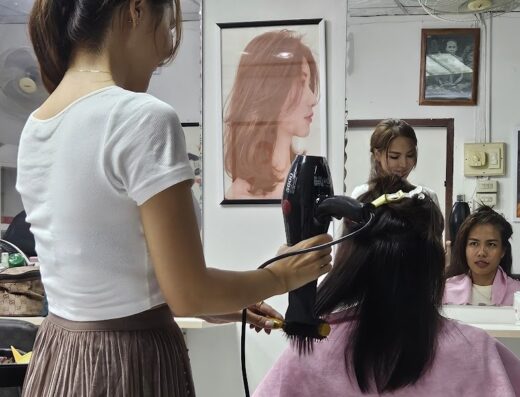
Whether done at home or by a professional stylist, maintaining healthy hair through regular trims is an essential part of overall hair care.
The Importance of Cutting Hair
Haircuts are not only a way to achieve a desired style or look but also a means of promoting hair health. Over time, hair can develop split ends, which weaken the strands and contribute to breakage. Regular trims help remove damaged ends, preventing further damage and allowing hair to grow stronger and healthier.
In addition to maintaining hair health, cutting hair can boost confidence and self-esteem. A fresh haircut can transform one’s appearance, align with current trends, or reflect personal identity. For many, hair is a form of self-expression, and choosing the right cut can make a powerful statement.
Cut hair: Styles
Haircuts vary widely depending on individual preferences, hair type, and cultural influences. Some popular styles include:
Layered Cuts: These add dimension and volume by cutting hair in varying lengths.
Bob Cuts: A classic style that is typically chin-length and versatile in its variations.
Pixie Cuts: A short, chic style that highlights facial features.
Fade Cuts: Popular in men’s grooming, these involve gradual blending from short to longer hair from the neckline upward.
Long Trims: For those who prefer maintaining length, a simple trim keeps hair healthy while retaining its natural style.
Professional vs. DIY cut hair
While professional haircuts are often preferred for precision and expertise, many people choose to cut their own hair at home for convenience or cost savings. DIY haircuts require proper tools, such as sharp scissors or clippers, and a basic understanding of techniques to achieve the desired result.
For those considering cutting their hair at home, it’s essential to:
Use the right tools designed specifically for cutting hair.
Work in well-lit spaces and use mirrors for visibility.
Cut conservatively to avoid removing too much length.
For more complex styles, visiting a professional hairstylist is recommended. Professionals are trained to understand hair types, textures, and face shapes, ensuring the final result complements the individual’s features.
Hair-Cutting Trends
Haircut trends evolve with fashion and pop culture, often influenced by celebrities, social media, and seasonal preferences. For example, short bobs and curtain bangs have gained popularity in recent years, while textured layers and natural looks remain timeless. Staying informed about current trends can inspire new styles and encourage experimentation.
Final Thoughts to cut hair
Cutting hair is more than just a grooming routine—it’s a form of self-expression, a way to maintain healthy hair, and an opportunity to embrace change. Whether aiming for a bold new look or simply tidying up split ends, regular haircuts are an essential part of caring for your hair. For the best results, consider your hair type, lifestyle, and personal preferences when choosing a style, and don’t hesitate to seek professional advice to achieve the perfect cut.